Planning to store a car, truck, or seasonal vehicle for weeks or months? Learn how to protect your battery, tires, fluids, and interior so your vehicle is ready when you are.
Not every vehicle is driven every day. A second car, classic vehicle, seasonal truck, recreational vehicle, or even a daily driver may sometimes sit unused for weeks or months. While parking a vehicle and leaving it alone may seem harmless, extended periods of inactivity can create problems that aren't always obvious until you're ready to drive again.
Proper preparation can help protect your vehicle while it sits and make getting back on the road much easier. For drivers in Northeast Wisconsin, where cold temperatures and changing weather can be especially hard on vehicles, knowing how to prepare a car or truck for extended storage is an important part of responsible vehicle ownership.
Why Can a Vehicle Have Problems While Sitting?
Many people assume that a vehicle only experiences wear when it is being driven. That's not entirely true. Some vehicle components can deteriorate simply because the vehicle remains unused. Batteries can lose their charge, tires can develop flat spots, fluids can become contaminated, and moisture can contribute to corrosion.
Environmental conditions can also affect a stored vehicle. Temperature changes can cause condensation to form in various parts of the vehicle. Rodents may also find a stationary vehicle attractive, especially if it is stored in or near a garage, shed, or other sheltered area. Taking a few preventive steps before parking the vehicle for an extended period can help minimize these risks.
Start With a Thorough Cleaning
Cleaning the vehicle before storage may seem like a cosmetic step, but it can help protect the vehicle's condition. Dirt, road salt, food particles, and other contaminants left on the exterior can contribute to corrosion over time.
Give the vehicle a thorough wash, paying particular attention to areas where dirt and road debris collect. The interior deserves attention too. Remove food and drinks, trash, paper products, personal belongings, and anything that could attract pests. Vacuum the interior and make sure it is dry before closing the vehicle for storage. A clean vehicle gives you a better starting point when it's time to bring it back into regular use.
Pay Attention to the Battery
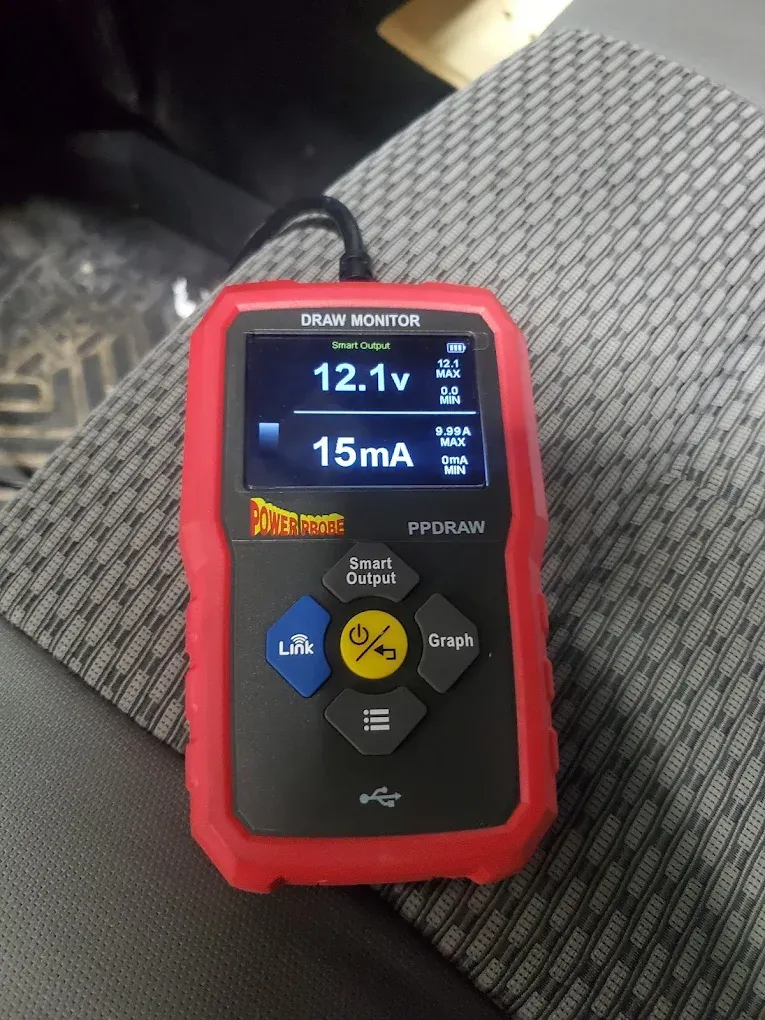
A vehicle's battery can gradually lose its charge when the vehicle isn't being driven. If a vehicle sits for an extended period, the battery may eventually become too weak to start the engine. Depending on the vehicle and storage conditions, maintaining the battery's charge may be an important part of your storage plan.
Some vehicle owners use an appropriate battery maintainer designed for long-term storage. Others may have the battery disconnected or removed according to the vehicle manufacturer's recommendations. If you're unsure which approach is appropriate for your vehicle, professional advice can help. The important thing is not to assume that a battery will remain fully charged simply because the vehicle isn't being used.
Check Your Tires Before Storage
Tires support the vehicle's weight continuously, even when the vehicle isn't moving. Before storing the vehicle, check the tire pressure and make sure it meets the manufacturer's recommended specification.
Long periods of inactivity can also contribute to tire flat spotting. The risk and severity can vary depending on the tires, storage duration, temperature, and vehicle weight. For vehicles that will sit for an extended period, asking a qualified technician about appropriate storage practices can be worthwhile. And when the vehicle is brought back into service, inspect the tires again before driving.
Check the Fluids
Fluids play an important role in protecting the vehicle's mechanical systems. Before extended storage, check the condition and levels of the vehicle's important fluids according to the manufacturer's maintenance recommendations. Depending on the vehicle, these may include:
- Engine oil
- Coolant
- Brake fluid
- Transmission fluid
- Power steering fluid
- Windshield washer fluid
If routine maintenance is already due, storage can be a good opportunity to address it. Starting the storage period with the vehicle properly maintained can help you avoid discovering overdue service when you're ready to drive again.
Don't Forget About Fuel
Fuel can become a consideration when a vehicle will remain unused for a long time. For extended storage, follow the vehicle manufacturer's recommendations regarding fuel level and fuel-system preparation.
Fuel stabilizer may be appropriate for certain storage situations, but it should be used according to the product directions and vehicle requirements. If you're uncertain about how long the vehicle will sit or how it should be prepared, a professional technician can help you determine an appropriate approach.
Protect the Vehicle From Moisture
Moisture is one of the biggest concerns when storing a vehicle. A damp environment can contribute to corrosion and unpleasant odors, particularly inside the cabin. Whenever possible, store the vehicle in a clean, dry, protected location.
If you use a vehicle cover, choose one appropriate for the storage environment. A cover that traps moisture can potentially create more problems than it solves. Good ventilation and a dry storage area can be especially important during long periods of inactivity.
Think About Rodent Protection
A vehicle that sits undisturbed can sometimes become an attractive shelter for rodents and other pests. This is another reason to remove food and trash from the interior. Before storage, inspect the area where the vehicle will be parked and address potential sources of infestation.
When returning a stored vehicle to service, take a few moments to look under the hood and around the vehicle for signs of nesting or damage. Rodents can damage wiring, insulation, hoses, and other components.
Should You Start a Stored Vehicle Occasionally?
This is a common question, and simply starting a vehicle for a few minutes isn't necessarily a complete storage strategy. If a vehicle is started, it should be operated according to appropriate manufacturer or professional guidance. Short, infrequent starts without allowing the vehicle to reach proper operating conditions may not provide the benefits owners expect.
For a vehicle that will be stored for a significant period, a deliberate storage plan is generally better than occasionally turning the key just to hear the engine run. If you're unsure what your particular vehicle needs, ask a qualified mechanic.
Before Driving It Again, Inspect It
The work doesn't end when storage does. Before putting a vehicle back into regular service, perform a careful inspection. Check:
- Tire pressure and tire condition
- Battery condition
- Fluid levels
- Visible leaks
- Belts and hoses
- Lights
- Windshield wipers
- Brakes
- Engine compartment
- Signs of rodent activity
- Any warning lights
Don't assume that a vehicle is ready to drive simply because it starts. A vehicle that has been sitting for months deserves a careful look before returning to normal driving.
Take a Test Drive Carefully
When you're ready to bring the vehicle back onto the road, start slowly. Listen for unusual sounds. Pay attention to steering. Test the brakes gently in a safe area. Watch for warning lights or unusual vibrations.
If something doesn't feel right, don't ignore it. A strange noise or warning light may indicate a problem that developed during storage or an issue that was already present before the vehicle was parked. Addressing the problem early can help prevent a minor issue from becoming a more expensive repair.
Seasonal Storage Isn't Just for Classic Cars
You don't need to own a collector vehicle to benefit from proper storage practices. Many Wisconsin drivers have vehicles that aren't used year-round. Examples include:
- Classic cars
- Summer vehicles
- Backup vehicles
- Specialty trucks
- Recreational vehicles
- Seasonal equipment
- Vehicles belonging to occasional drivers
Even a regular passenger car can experience problems after sitting for a long period. The longer a vehicle remains unused, the more important it becomes to think about its storage environment and condition.
What About a Vehicle That Has Already Been Sitting?
Maybe you're reading this because your vehicle has already been parked for several months. Don't panic. Before attempting to drive it, take a careful look at its current condition. Check the battery, tires, fluids, visible leaks, belts, hoses, brakes, and engine compartment. Look for signs of pests or corrosion.
If you're unsure about the vehicle's condition, having it inspected by a professional mechanic before driving can provide peace of mind. An inspection may identify problems that aren't obvious from simply starting the engine.
A Little Preparation Can Prevent Bigger Problems
Vehicle storage is easy to overlook because nothing appears to be happening while the vehicle is parked. But time, temperature, moisture, inactivity, and environmental conditions can all affect a vehicle. Taking care of the basics before storage—and performing a proper inspection afterward—can help protect your investment and reduce the chance of unpleasant surprises.
For drivers in Hobart, Green Bay, De Pere, and surrounding Northeast Wisconsin communities, Grizzly Service & Repair provides professional automotive and truck repair backed by more than 28 years of hands-on experience. The shop works with domestic and import vehicles, cars, trucks, diesel vehicles, and local business fleets. Whether your vehicle has been sitting for a season or you simply want to make sure it's ready for the road again, professional service can help identify problems before they leave you stranded. The best time to prepare a vehicle for storage is before it sits. The next best time is before you drive it again.
Have questions about your vehicle?
Contact Grizzly →