If your battery keeps dying after it has been charged or replaced, an electrical component may be drawing power while your vehicle is parked. Learn what parasitic drain means and how technicians find it.
Few vehicle problems are more frustrating than getting into your car, turning the key, and hearing nothing.
If your battery keeps dying even after you've replaced it or had it charged, the battery itself may not be the real problem. Something in the vehicle could be drawing electrical power while the engine is turned off. This is known as a parasitic battery drain.
Understanding what causes it can help you recognize when repeated battery problems may require more than another jump-start or replacement battery.
What Is Parasitic Battery Drain?
Your vehicle continues to use a small amount of electrical power even when the engine is off. Systems such as security features, computer modules, memory functions, and other electronics may need a small amount of power while the vehicle is parked. That's normal.
The problem occurs when an electrical component continues drawing significantly more power than it should after the vehicle has been shut down. That excessive draw can gradually drain the battery, sometimes overnight or over several days.
Why Does a Battery Keep Dying?
Several different problems can cause excessive electrical draw.
- A hidden glove-box, trunk, vanity, or interior light that stays on
- A faulty module, relay, switch, or other electrical component
- An improperly installed or failing remote starter, audio system, alarm, light, or dash camera
- Aging wiring, damaged insulation, poor connections, or corrosion
- An electronic control module that does not enter its normal low-power sleep state
Modern vehicles contain numerous electronic systems, so identifying the exact source of an unwanted electrical draw can require specialized testing. Aftermarket equipment is not automatically the cause, but its installation is worth considering when a recurring battery problem begins.
How Can You Tell If You Have a Parasitic Draw?
A recurring dead battery is one of the most obvious clues. You may notice one or more of these patterns:
- The battery repeatedly dies after the vehicle sits
- The vehicle starts normally after a jump but dies again later
- A newer battery does not solve the problem
- The vehicle starts reliably when driven regularly but struggles after sitting
- Electrical accessories behave strangely
- The battery loses power even when obvious lights and accessories are off
If the battery continues dying without an obvious explanation, an electrical diagnosis may be appropriate.
Why Replacing the Battery May Not Fix It
A new battery can temporarily make the problem appear to disappear because it begins with a full charge. But if something continues drawing excessive power while the vehicle is parked, the new battery can eventually become discharged as well.
Repeatedly replacing batteries without identifying the underlying cause can become an expensive cycle. The better approach is to determine whether the vehicle has an abnormal electrical draw and, if so, identify where that draw is coming from.
How Do Technicians Find a Parasitic Draw?
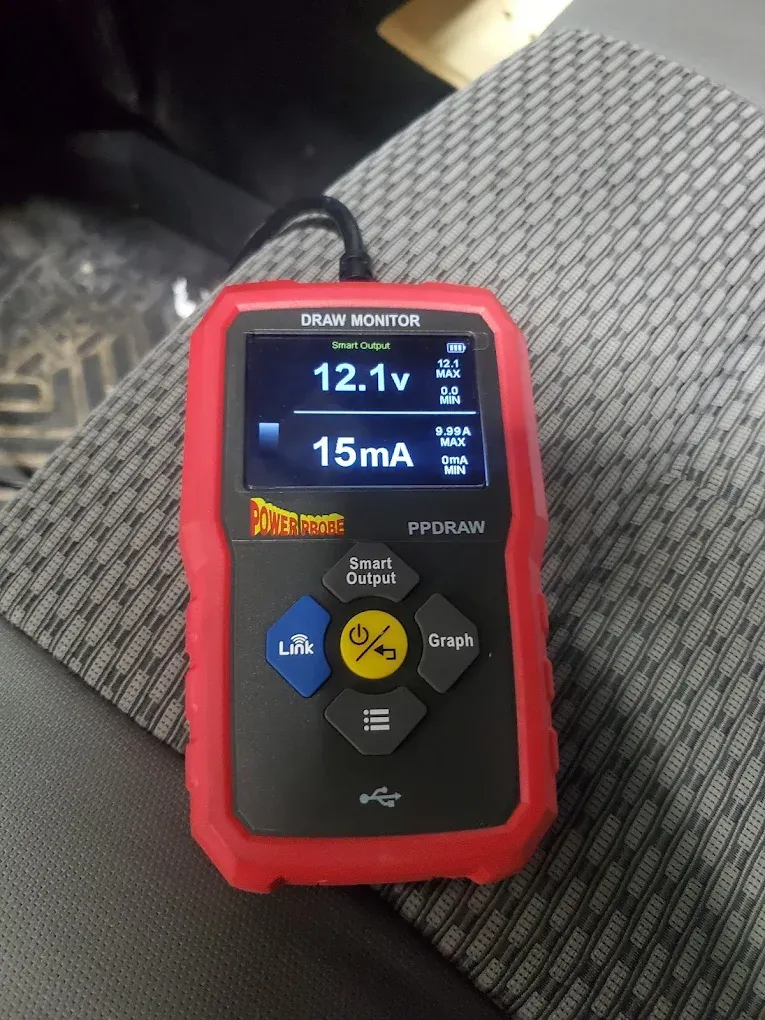
Parasitic-draw diagnosis involves measuring the vehicle's electrical current after it has been shut down and allowing its systems to enter their normal resting state. A technician can then evaluate the current and systematically isolate circuits or components that may be responsible.
- Fuses and circuits
- Relays
- Control modules
- Interior and exterior lighting
- Aftermarket accessories
- Wiring and connections
- Charging-system components
- Other electrical systems
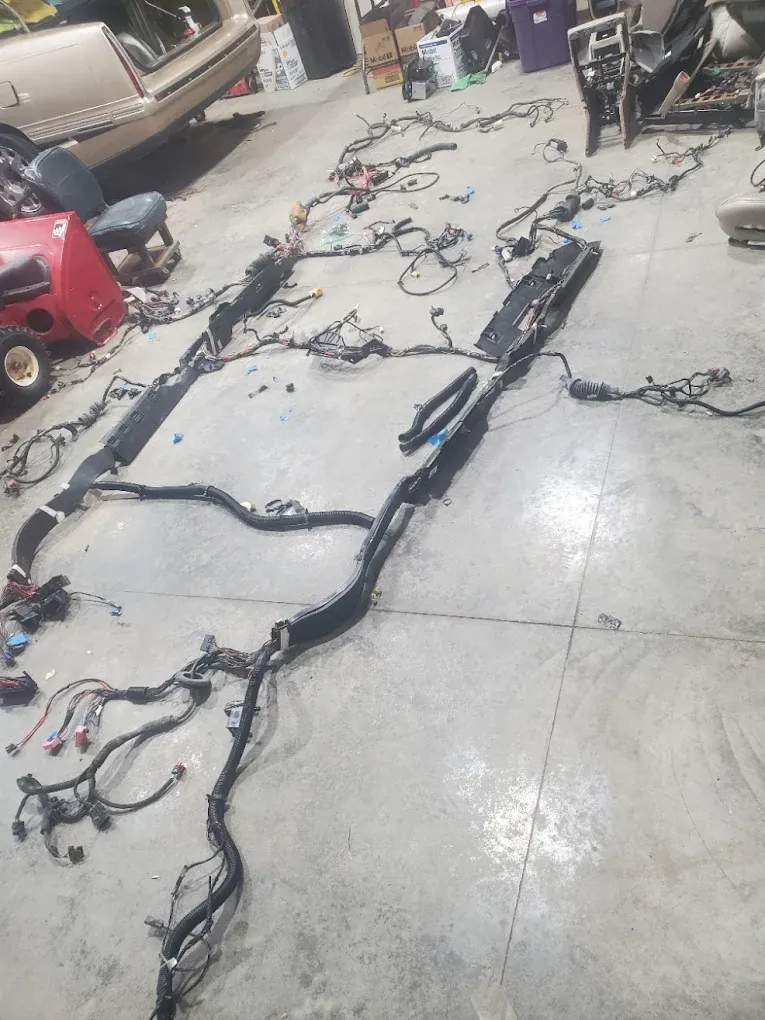
The goal is to find the source rather than simply treating the symptom. Grizzly Service & Repair offers electrical diagnostics, including parasitic battery-draw testing and wiring-harness repair.
What About the Alternator?
A battery that keeps going dead can lead people to assume the alternator is automatically the problem. The alternator charges the battery while the engine is running, so charging-system problems can certainly cause starting issues.
However, a parasitic draw is a different problem. An electrical diagnostic can help distinguish among a battery problem, charging-system issue, and unwanted electrical consumption while the vehicle is parked.
Don't Ignore Repeated Dead-Battery Problems
One dead battery does not necessarily indicate a serious electrical issue. But if you repeatedly need a jump-start, replace batteries frequently, or find that your vehicle loses power after sitting, it is worth looking beyond the battery itself.
Continuing to replace the battery without determining why it is losing power can leave the underlying problem unresolved. A focused diagnosis can identify the source and help restore dependable starting.
Have questions about your vehicle?
Contact Grizzly →